
Pre-Checks Are Becoming Default for Smaller Teams
Smaller teams now run similarity, signing and build checks before review. Pre-checks change rework odds; they are not a promise of approval.
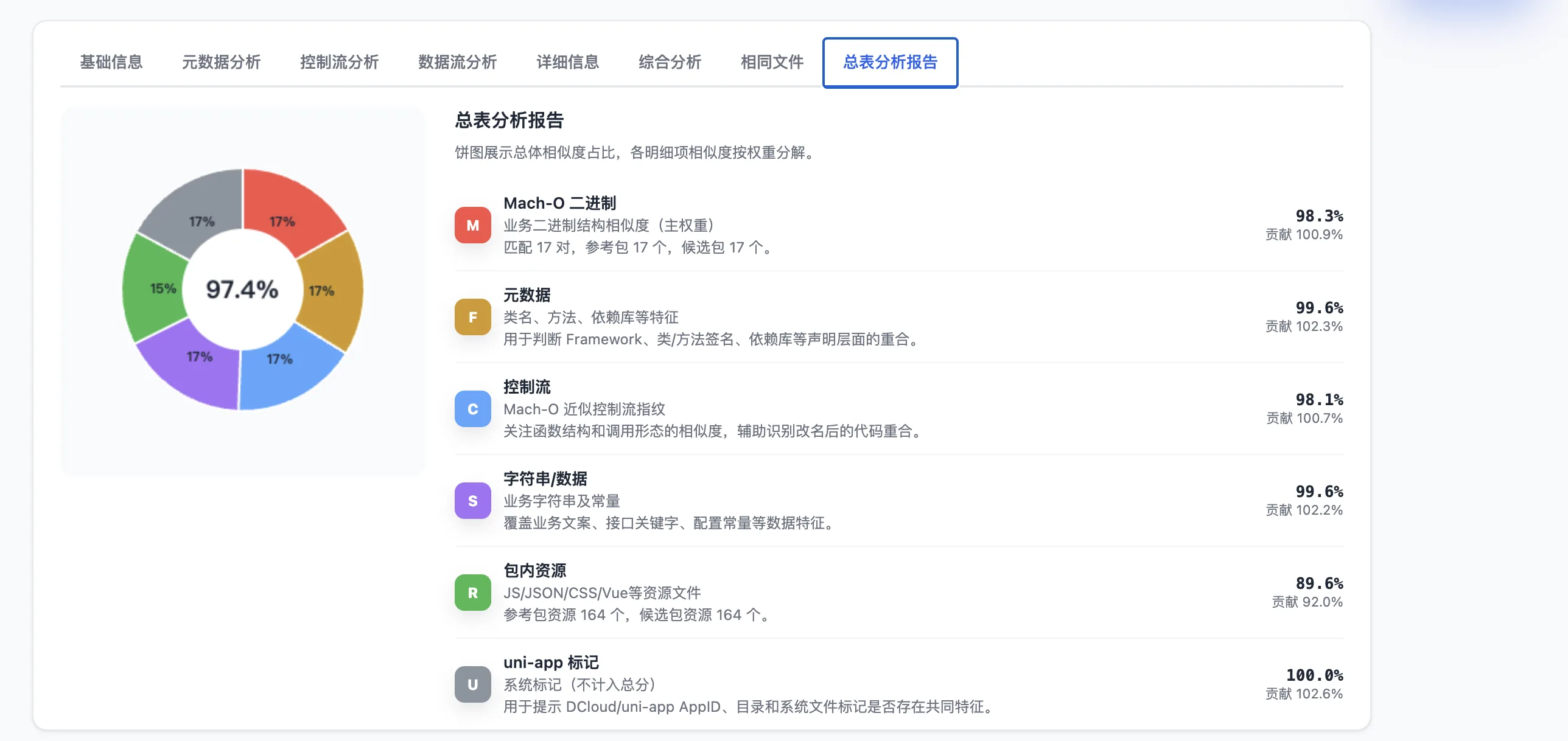
Many teams used to submit first and unpack after rejection. In 2026 the order is often reversed: signing, versions, permissions and similarity are checked before joining the review queue. The reason is practical. One rejection now costs more calendar time than the pre-check itself.
Pre-checks serve the schedule, not marketing claims
Custom development clients care about launch dates. Removing obvious duplicate resources, wrong profiles or build-number clashes reduces the empty week spent waiting on review. That still cannot be sold as a guarantee of approval.
A report only helps if someone can decide
High similarity, duplicate files or uncommon SDKs need an owner: change assets, change implementation, or prepare a review explanation. Without that owner, a pre-check is just another PDF.
Tutorials explain the fields, news explains whether it is worth doing
How to read report fields belongs in tutorials. Industry coverage should state the boundary: pre-checks are for risk control before submission, not a substitute for testing, product differentiation or Apple review.