
Privacy Labels Are Becoming Hidden Publishing Costs
Privacy labels, permission copy and review notes now take real coordination time. Incomplete store metadata can send a working app back without a code change.
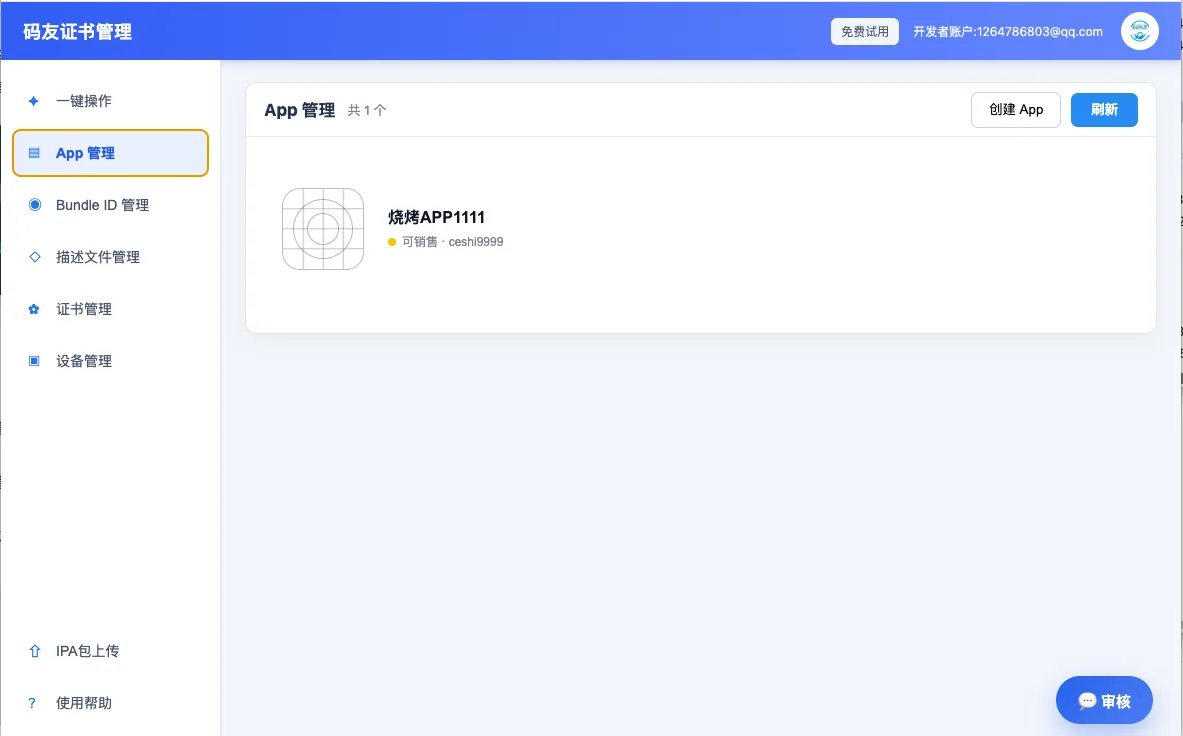
App Store review is not only about whether the app works. Privacy nutrition labels, tracking disclosures, permission prompts and review notes have become line items in publishing quotes, not a form filled in after development.
Metadata rejections are no longer rare
Invalid demo accounts, screenshots that do not match the build, or permission explanations that are too broad can stall a stable version. For software studios this is a scope issue: if the contract only covers features, metadata rework has no schedule.
Privacy claims must match the code
Data types listed in the label need to match actual SDKs, logs and sign-in flows. Changing store copy without changing collection behavior still invites follow-up questions. Product, engineering and operations need one permission table.
Review notes are not polite extras
Notes should explain test paths, hidden features and account environments. More specific notes mean fewer review loops. Checklists belong in tutorials; the industry point is that privacy and notes now sit beside certificates and IPA files as publishing cost.