
iOS Signing and Certificate Management Is Moving from Personal Experience to Team Process
Once distribution certificates, Bundle IDs, and provisioning profiles are handled by different people, rework gets amplified. Small and mid-sized teams are starting to treat certificate management as a collaborative process, not just an individual developer skill.
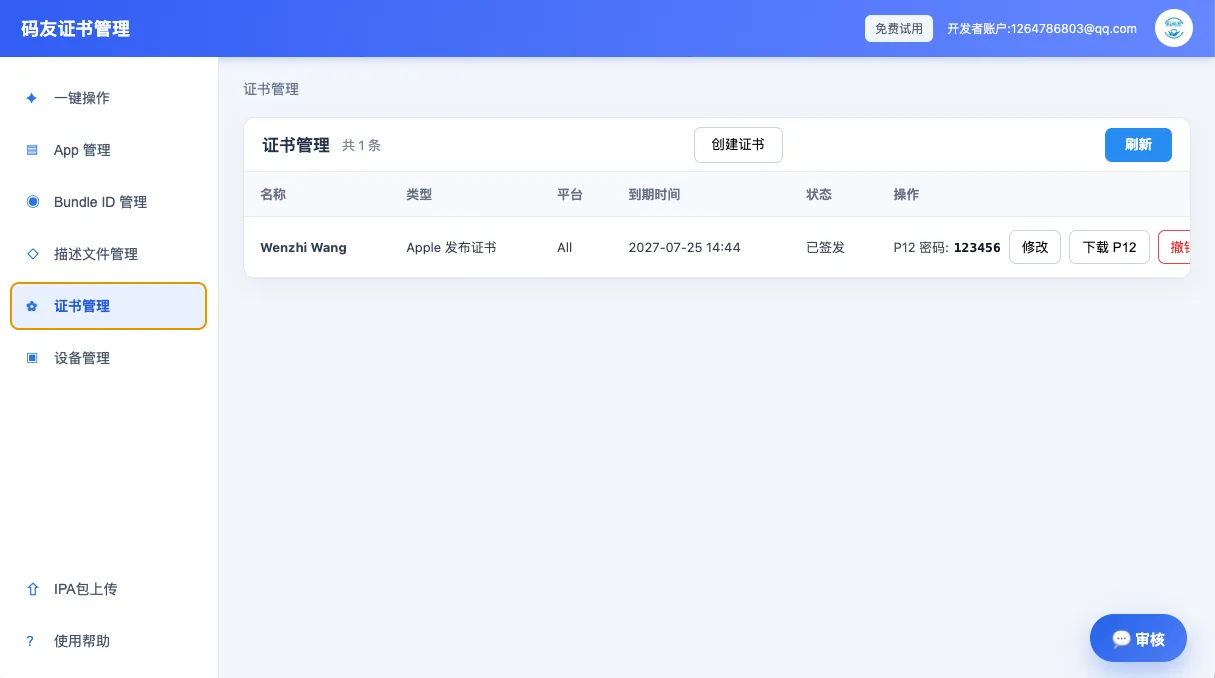
iOS distribution signing looks like a technical detail, but what it actually consumes is collaboration cost. Expired certificates, unupdated provisioning profiles, and a P12 that exists on only one computer can all make a build that "uploaded fine yesterday" fail outright today.
Personal Custody Is Turning into Project Risk
Early-stage teams often have one developer hold the distribution certificate and password. When staff changes, a computer is reinstalled, or multiple Bundle IDs are maintained at the same time, this habit can stall the release window. More and more outsourcing companies are starting to isolate certificates and access permissions by project.
Matching Relationships Matter More Than "Having a Certificate"
A distribution certificate proves the publisher's identity, a Bundle ID identifies the app, and a provisioning profile binds the two together with the distribution method. If any link is replaced, the old provisioning profile may become invalid. Industry discussion is shifting from "how to click through the application" to "how to keep teams from using the wrong signing set."
Tooling Is the Result, Not the Starting Point
Certificate management software can reduce export and installation errors, but responsibility boundaries must come first: who can download the P12, who can update provisioning profiles, and who gets reminded ahead of expiration. For step-by-step application instructions, see the tutorial center; the focus here is that signing has already become part of the delivery process.